The world's oldest medieval city — a maze of 9,000 alleys, ancient madrasas, tanneries, and centuries of Islamic scholarship.
Founded in 789 AD, Fès is Morocco's oldest imperial city and the cultural heart of the country. Its medina, Fès el-Bali, is the world's largest car-free urban area — a labyrinth of 9,000 streets where donkeys are still the primary transport.
Home to the Al-Qarawiyyin University (founded 859 AD — the world's oldest continually operating university), Fès is a living museum. The city's leather tanneries, ancient mosques and ornate madrasas draw travellers seeking authentic, unfiltered Morocco.

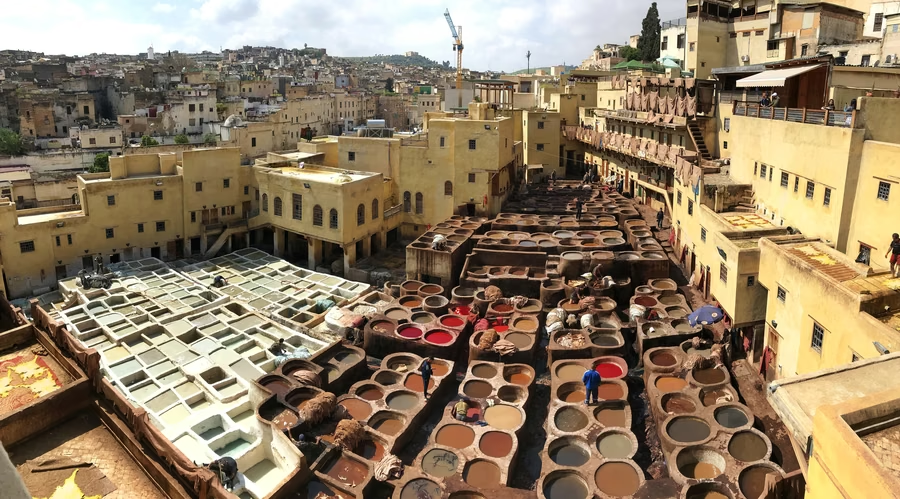
Watch leather being dyed in stone vessels just as it was 1,000 years ago — best viewed from surrounding leather shop terraces.

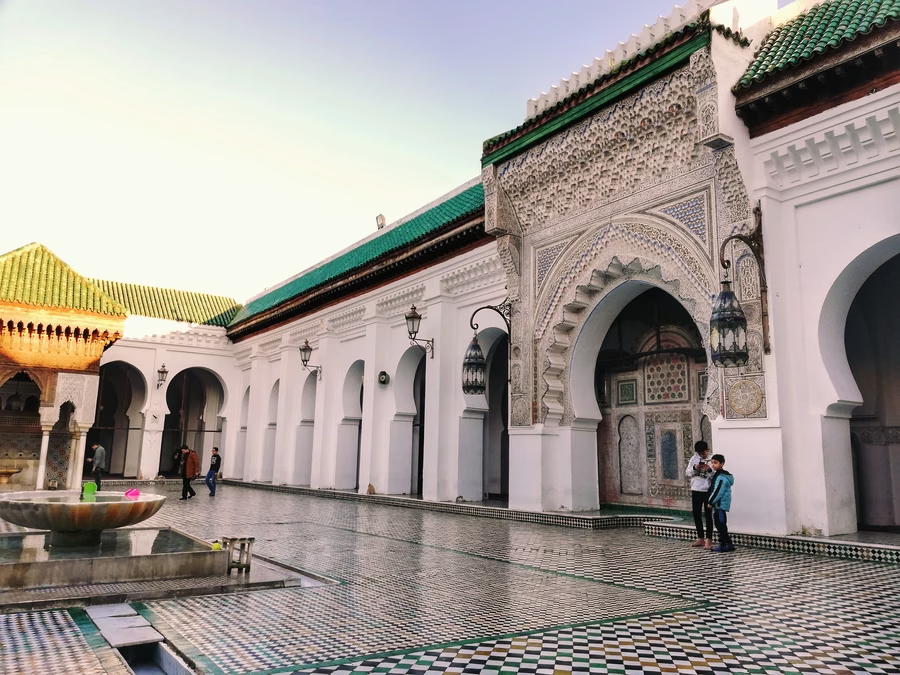
Founded in 859 AD — the world's oldest continually operating university. The courtyard is open to non-Muslim visitors.

The most ornate medieval madrasa in Fès — exquisite cedar wood carving, zellij tilework and white marble columns.

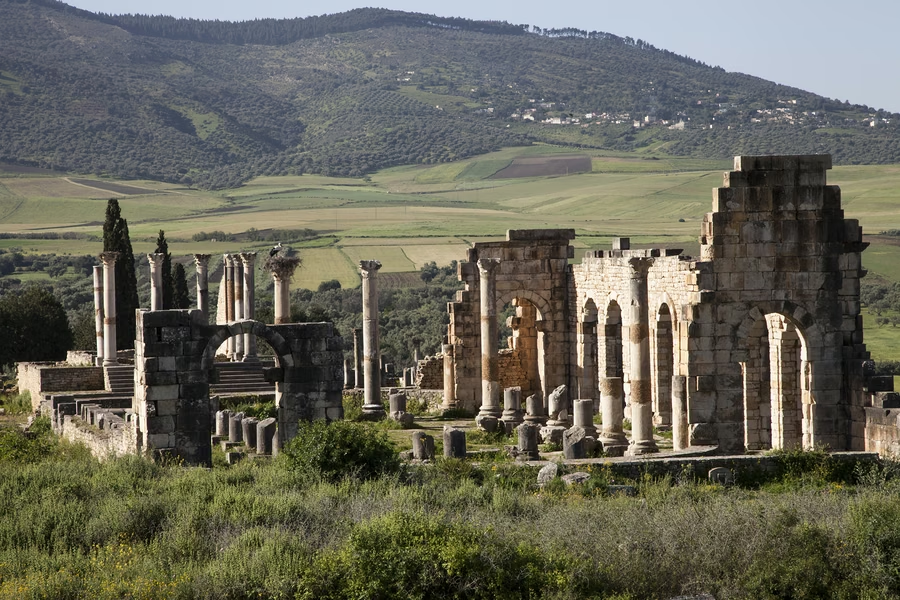
A 1-hour drive brings you to Morocco's best-preserved Roman ruins at Volubilis, plus the imperial city of Meknès.

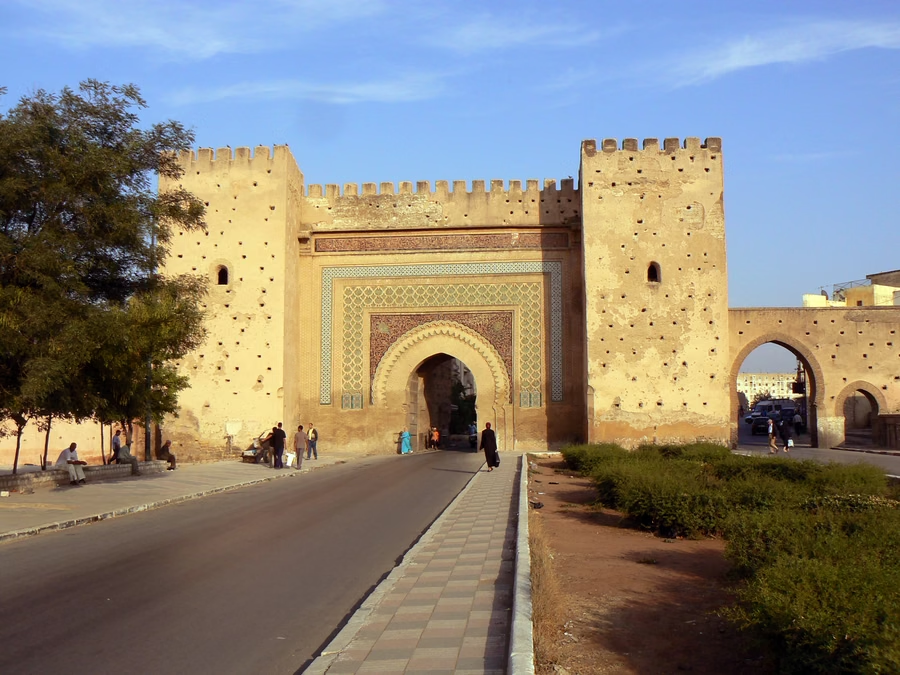
Morocco's "Versailles" — sweeping ceremonial gateways, royal stables and a grand medina just 60 km from Fès.

The world's largest car-free urban area — wander alleys of spice merchants, hammams, and hidden fondouks.
A palatial 19th-century riad with a stunning pool, rooftop restaurant and impeccable service in the heart of the medina.
A beautifully restored riad with hand-painted ceilings, a peaceful courtyard and airport pickup service.
Elegant rooms, a rooftop hammam and an acclaimed restaurant — one of Fès' most celebrated boutique hotels.
Perfect temperatures for medina walks. Spring festivals and flower-filled gardens.
Temperatures above 40°C. The medina becomes oppressive. Avoid July–August if possible.
Warm and manageable. Sacred Music Festival in June draws global artists.
Cool days and occasional rain. Very few tourists — authentic and affordable.